

Students Explore Technology, AI and Innovation in Shenzhen and Singapore
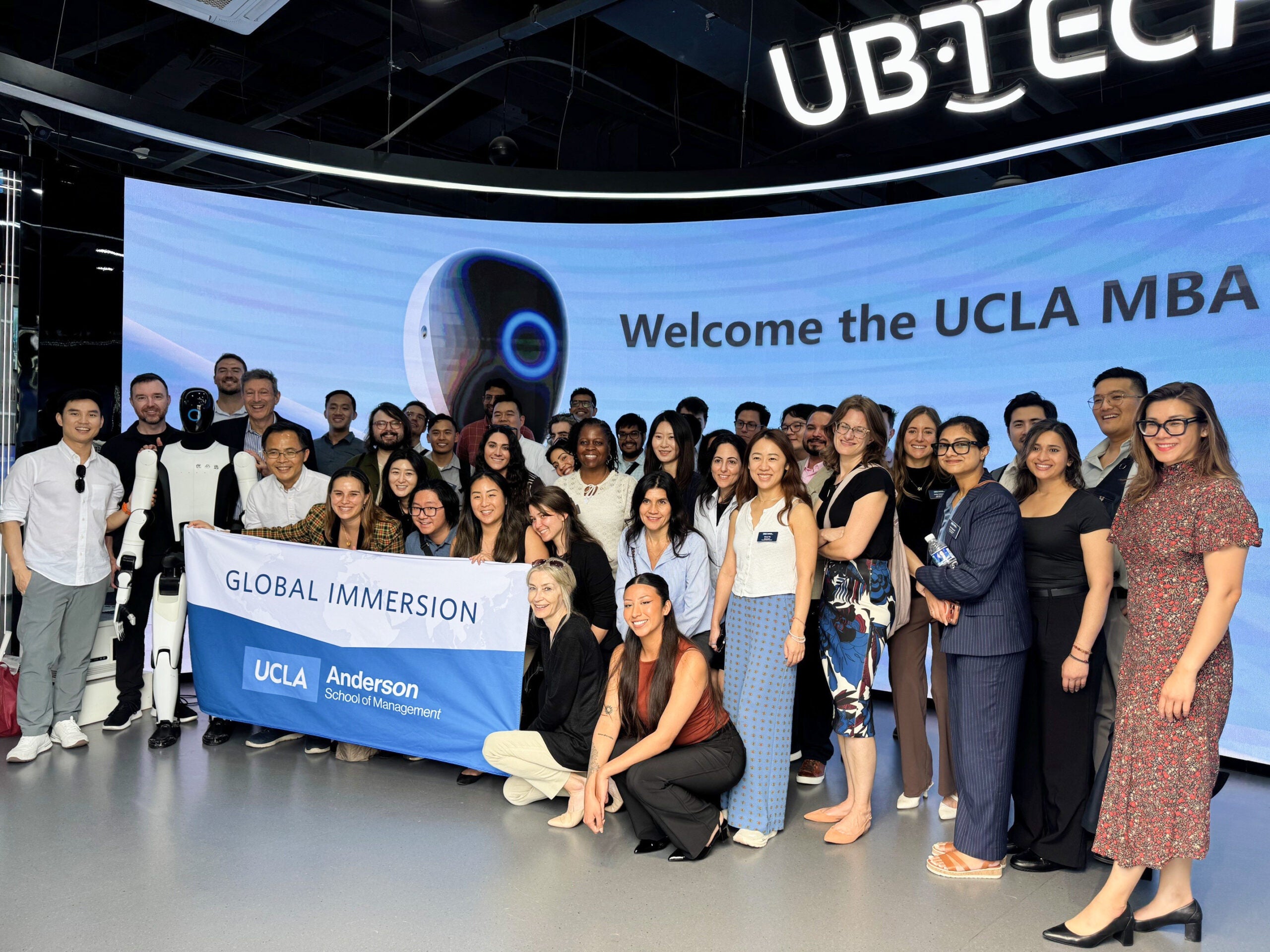
During the same week of UCLA Anderson’s spring break, forty MBA students from three programs participated in the Global Immersion: Greater Asia Region course, titled “A Technology-Driven Transformation of Society, Enterprises and Consumers.” Led by Professor Terry Kramer, adjunct professor of decisions, operations, and technology management and faculty director of the Easton Technology Management Center, the course marked the eighth iteration of the Center for Global Management’s Greater Asia technology-focused immersion and the second time that both Shenzhen and Singapore were included in a single, integrated itinerary. As in prior years, the program was designed to provide students with a deeply immersive, experiential understanding of how technology is reshaping enterprises, markets, and societies across Greater China and Southeast Asia at unprecedented speed and scale.
The Greater Asia region continues to play a pivotal role in global technology-driven transformation, with innovation increasingly shaped by the convergence of artificial intelligence, government policy, capital formation, talent density, and highly adaptive consumers. Shenzhen and Singapore served as complementary living laboratories for the course. Shenzhen – often described as China’s Silicon Valley – offered students direct exposure to smart manufacturing, robotics, electric vehicles, and AI-first enterprises deeply embedded within China’s innovation ecosystem. Singapore, by contrast, provided a unique vantage point as a global city-state and geopolitical bridge, hosting regional headquarters for Chinese, American, and Southeast Asian technology firms and serving as an increasingly influential hub for artificial intelligence, fintech, platform-based business models, and venture capital across Southeast Asia.
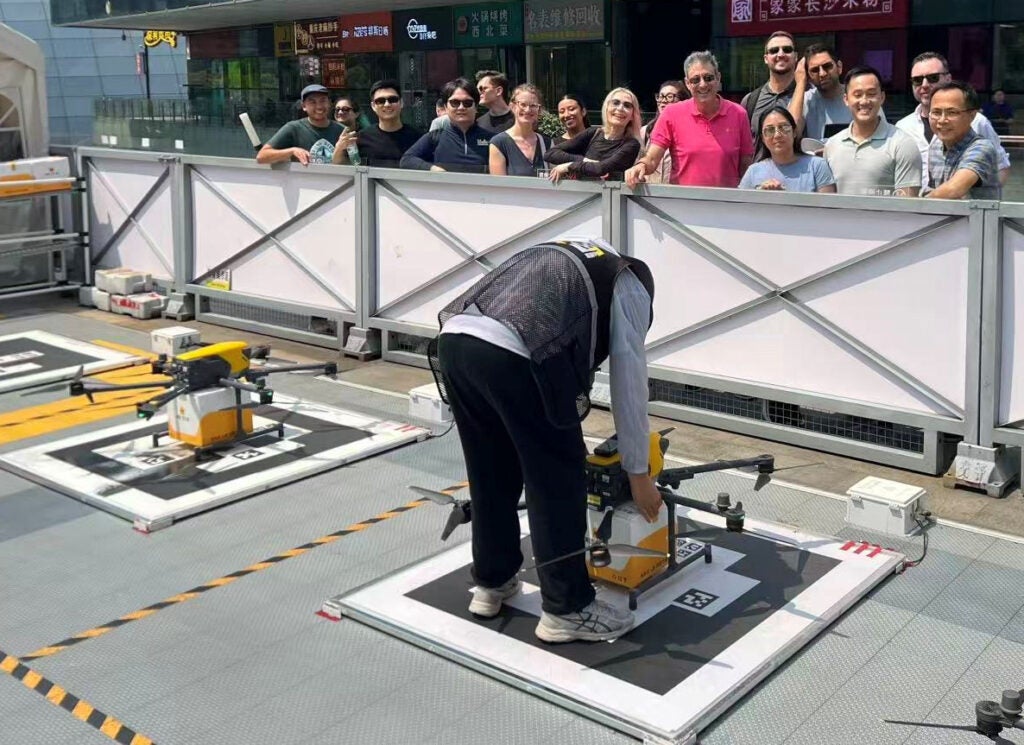
The immersion week began in Shenzhen with contextual orientations designed to ground students in the city’s extraordinary transformation from a small fishing village into one of the world’s most significant technology hubs in less than five decades. A guided smart city tour introduced students to ordering food via Meituan’s drone delivery service, along with visits to the DJI flagship store, the Huaqiangbei electronics market, and the Ping An Financial Center, offering firsthand insight into the dense innovation networks, manufacturing capabilities, and entrepreneurial energy that define Shenzhen’s economy. These early experiences helped establish a critical foundation for understanding how policy, capital, infrastructure, and experimentation intersect to enable rapid technological leapfrogging at scale.

Formal academic sessions in Shenzhen began with a strategic overview of the Greater Bay Area’s innovation clusters led by Fabien Pacory of CCI France Chine. His discussion highlighted how foreign enterprises and multinational ecosystems interface with China’s technology-driven growth model, emphasizing the role of innovation clusters, advanced manufacturing, and cross-border collaboration. This framing was complemented by an in-depth market and strategy perspective from Elinor Leung of CLSA. Drawing on her deep coverage of the sector, she examined innovation and agentic AI trends, the evolution of Chinese technology leaders and super‑app ecosystems, and the growing influence of platform‑based models. Her discussion highlighted future growth opportunities and reinforced the role of the Greater China region in shaping competitive dynamics within rapidly evolving global innovation ecosystems.
Another highly impactful session in Shenzhen featured Derek Li, founder and chief education technology scientist of Squirrel AI, a leading edtech unicorn and pioneer in AI-driven adaptive learning. Drawing on Squirrel AI’s real-world deployment at scale, Li offered a compelling view into China’s rapid progression beyond cloud-native foundations toward AI-native enterprises – where autonomous, agentic AI systems are designed to diagnose, decide, and act as the primary operating engine. His discussion illustrated how AI is already orchestrating learning autonomously across millions of students, underscoring a recurring theme of the immersion: in the region, AI is not treated as experimental or peripheral, but as a core operational and strategic capability embedded directly into products, processes, and decision‑making systems.
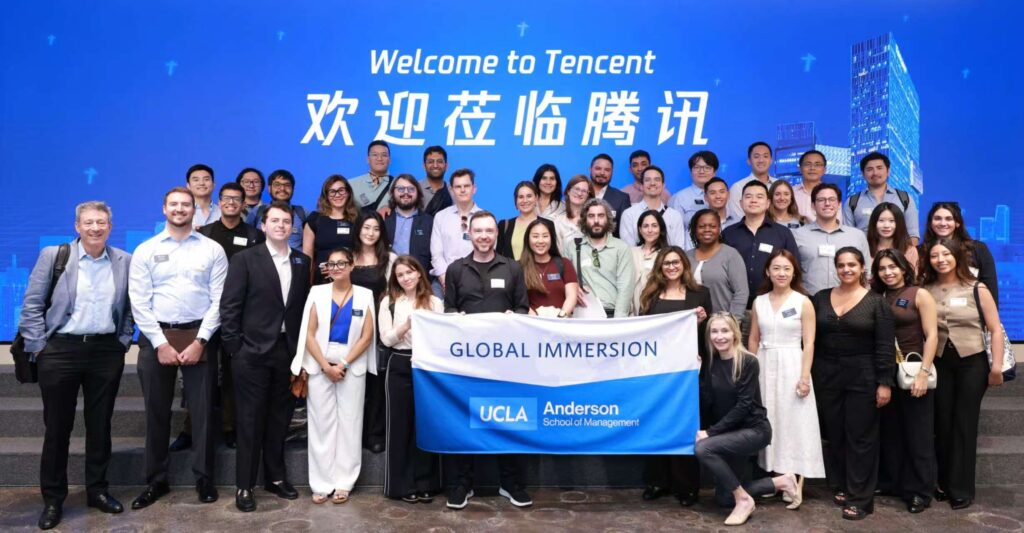
The Shenzhen portion of the program also included in-depth site visits to some of China’s most influential technology leaders. At Tencent’s global headquarters, students explored the evolution of the company’s super-app strategy, its expansive AI capabilities spanning gaming, social platforms, fintech, and cloud services, and its growing focus on social value and sustainability. The visit highlighted Tencent’s ability to continually reinvent itself in a highly competitive environment, reinforcing the idea that technological leadership in the region requires constant adaptation rather than reliance on past dominance. A guided tour of Tencent’s Exhibition Hall further illustrated the remarkable breadth and integration of Tencent’s innovation across its ecosystem.
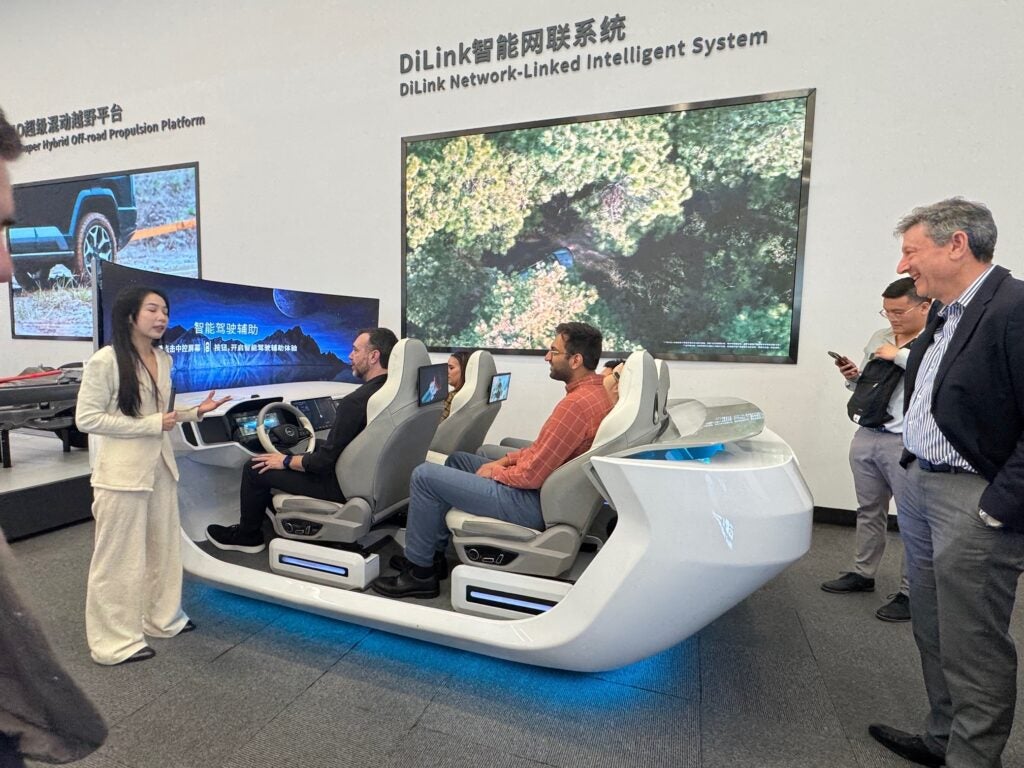
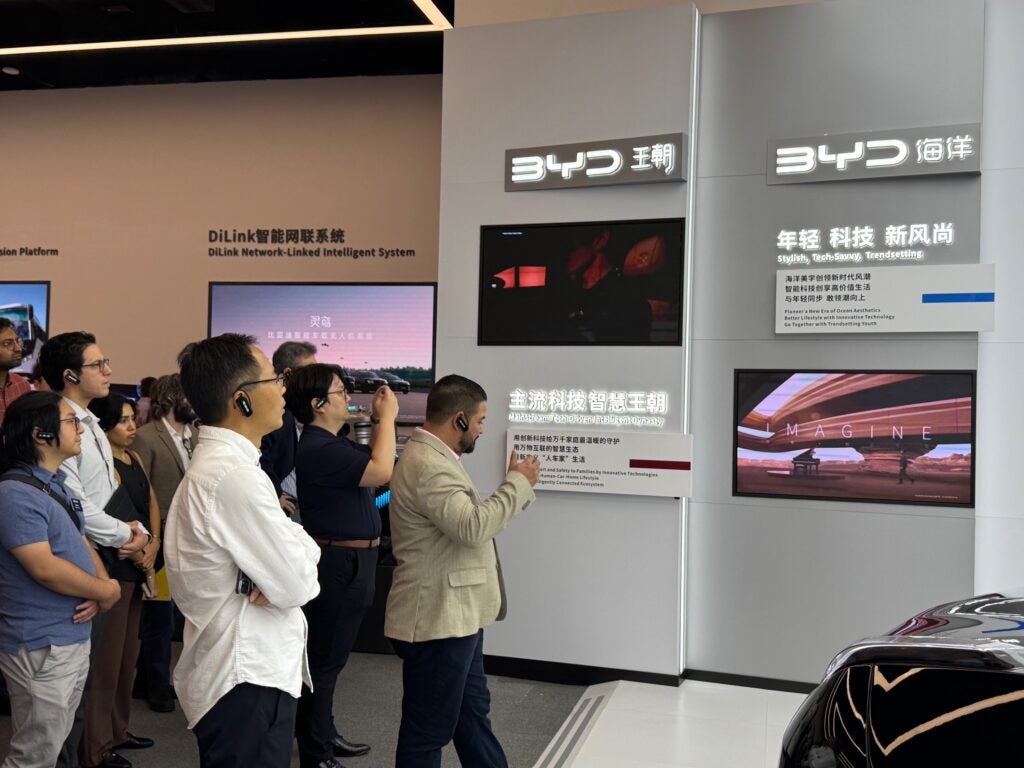
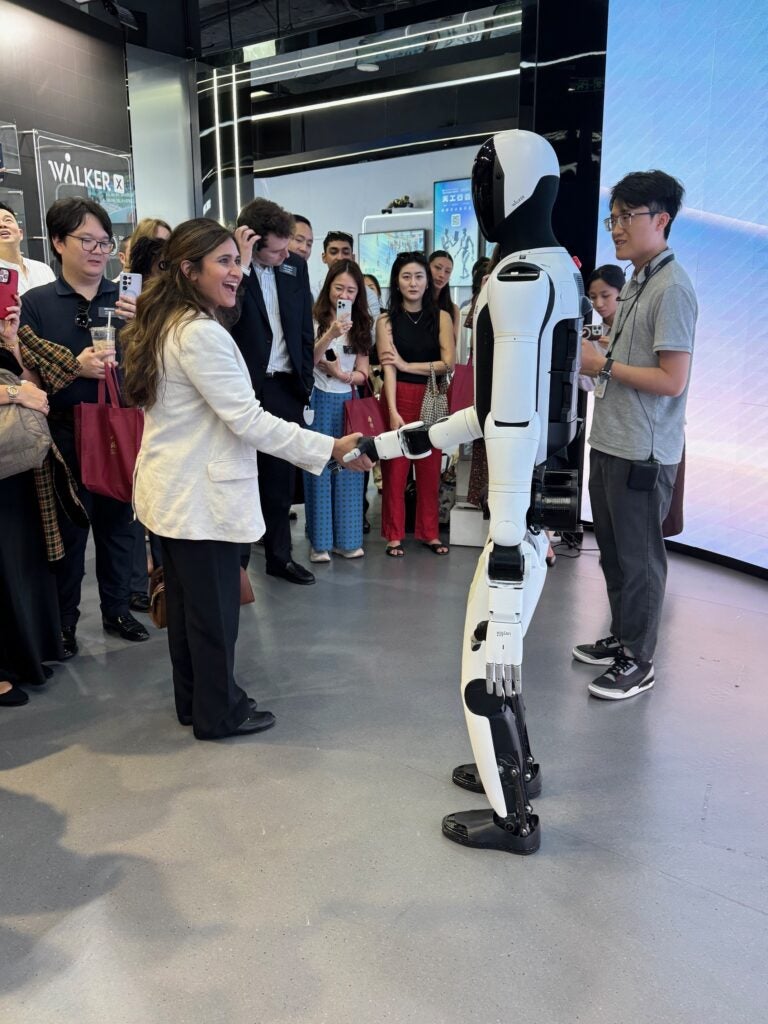
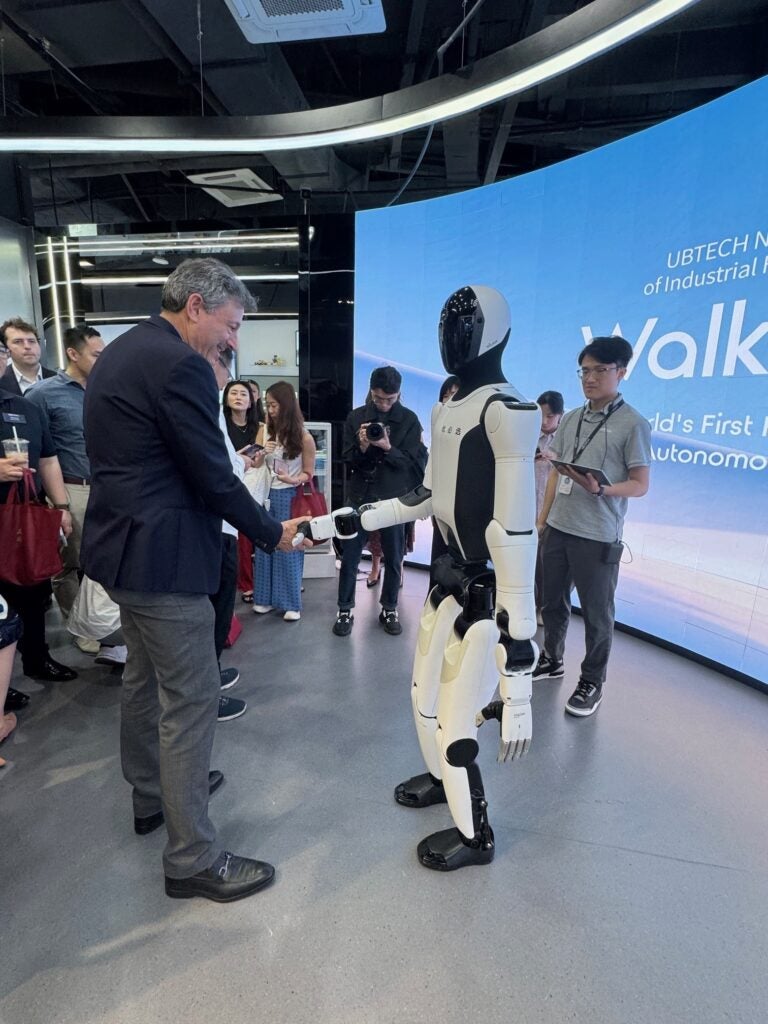
A visit to BYD provided students with a comprehensive view of how vertically integrated innovation has enabled the company to lead the global electric vehicle and battery revolution. Through showroom tours, technology exhibits, and live vehicle demonstrations, students examined how BYD’s control across batteries, semiconductors, vehicles, and energy storage has allowed it to scale rapidly while driving down costs – an example of how AI, manufacturing, and industrial policy converge to reshape global mobility. This was followed by an immersive experience at UBTECH Robotics, where students witnessed cutting-edge humanoid robotics demonstrations and explored real-world applications of AI-powered robotics in education, logistics, and service industries. Together, these visits reinforced the region’s distinctive ability to turn advanced technology into commercially viable solutions at speed.
Midway through the immersion, the group transitioned from Shenzhen to Singapore, marking a shift in perspective from China’s scale-driven innovation engine to a globally oriented technology hub deeply interconnected with Southeast Asia. While many Shenzhen‑based firms now operate at global scale, Singapore offered a complementary vantage point shaped by its role as a geopolitical bridge, regional headquarters hub, and platform for cross‑market technology experimentation.
The Singapore sessions began at the National University of Singapore with a discussion led by Maoyu Lin of Temasek, the country’s sovereign investment firm. Lin offered a strategic investor’s lens on artificial intelligence, venture building, and capital deployment across China and Southeast Asia, emphasizing how policy alignment, long‑term investment horizons, and ecosystem‑level thinking accelerate innovation. His insights into the extraordinary pace of AI’s evolution – particularly over the past twelve months – along with his perspectives on Southeast Asia’s digital economy, the emerging AI and agent economies, and the diverging U.S.–China technology ecosystems, were especially valuable in helping students connect enterprise‑level AI deployment with broader macroeconomic and societal outcomes.
Entrepreneurship and ecosystem development were further explored through a session with Leanne Robers of She Loves Tech, who shared how global accelerator platforms are leveraging technology, capital, and community to address structural inequalities in venture funding. This conversation highlighted the importance of inclusive innovation ecosystems and reinforced the idea that successful technology-driven transformation must extend beyond efficiency gains to deliver broader societal impact. Robers brought a distinctive and deeply resonant perspective to the discussion, addressing foundational issues at the intersection of technology, leadership, and psychology in a way that strongly resonated with students.
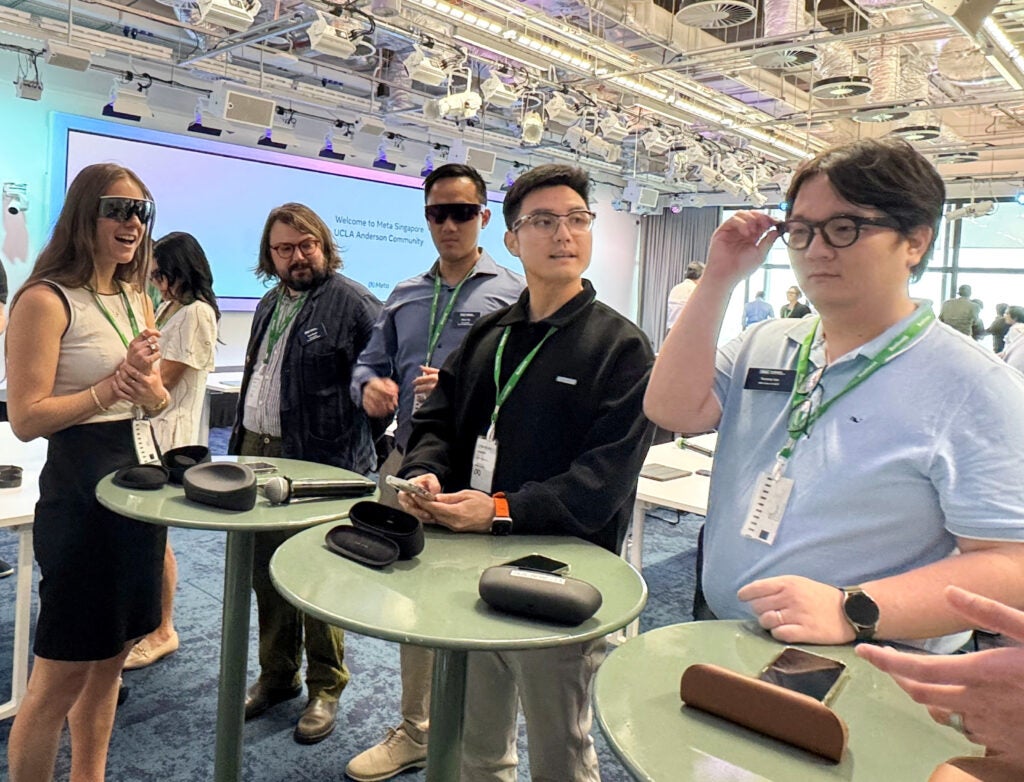
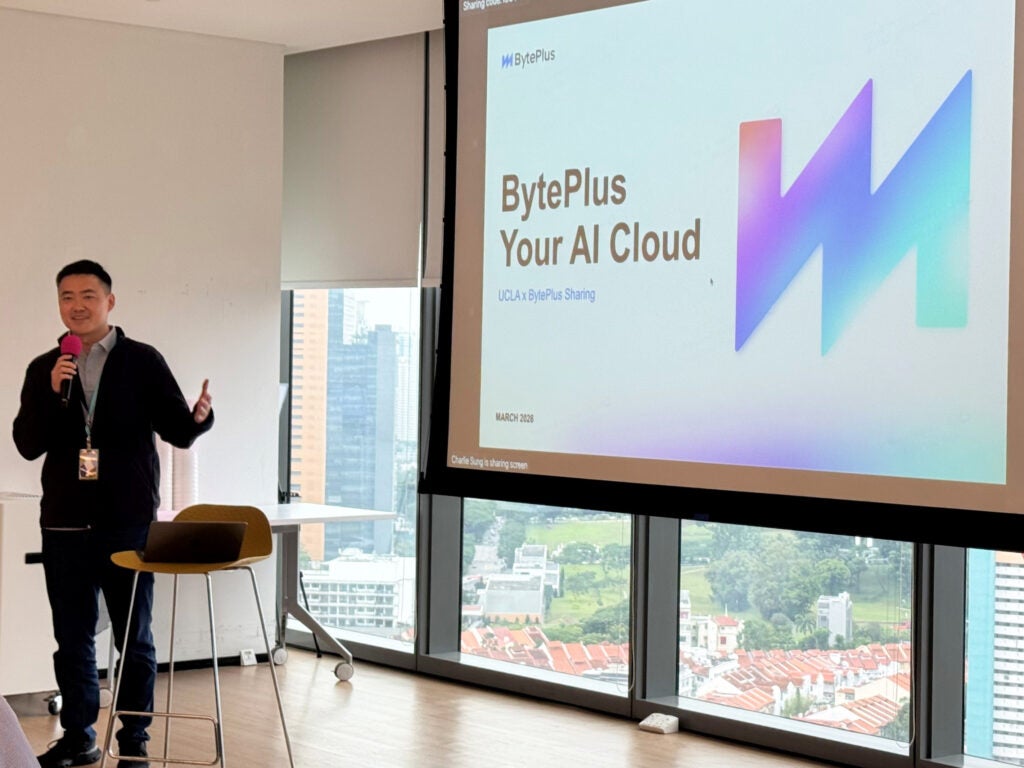
Corporate perspectives on AI adoption featured prominently throughout the Singapore segment. At Meta’s regional headquarters, leaders discussed how artificial intelligence is being embedded across advertising, content creation, and internal workflows, signaling a broader organizational shift toward more AI‑native operating models. Their perspectives on the extraordinary pace at which AI capabilities have evolved – particularly over the past twelve months – were striking, and the opportunity for students to engage directly with Meta’s AI‑enabled smart glasses made the learning especially tangible. Together, the presentation and hands‑on interaction offered valuable insight into how AI agents are being deployed in practice and how large organizations are translating rapid AI advances into real‑world innovation. A visit to ByteDance and its enterprise arm, BytePlus, provided an especially vivid illustration of agentic AI in action, as students engaged directly with leaders deploying autonomous systems to transform content creation, enterprise services, and internal decision‑making processes. Students particularly valued the framing of BytePlus as an AI‑native enterprise and the shift from traditional cloud infrastructures toward model‑centric, AI‑cloud–native systems. Discussions around AI agents, the evolution from SaaS to “agent‑as‑a‑service,” and the rapid progression toward increasingly autonomous, agentic AI offered a clear and compelling view of what lies ahead. The conversation also explored the future of work – including the emergence of tokens as a new, efficiency‑driven economic layer – and reinforced a consistent message that resonated throughout the course: don’t just be in the knowing, be in the doing. The hands-on nature of these discussions made clear that companies in the region are moving rapidly from conceptual understanding to applied execution.
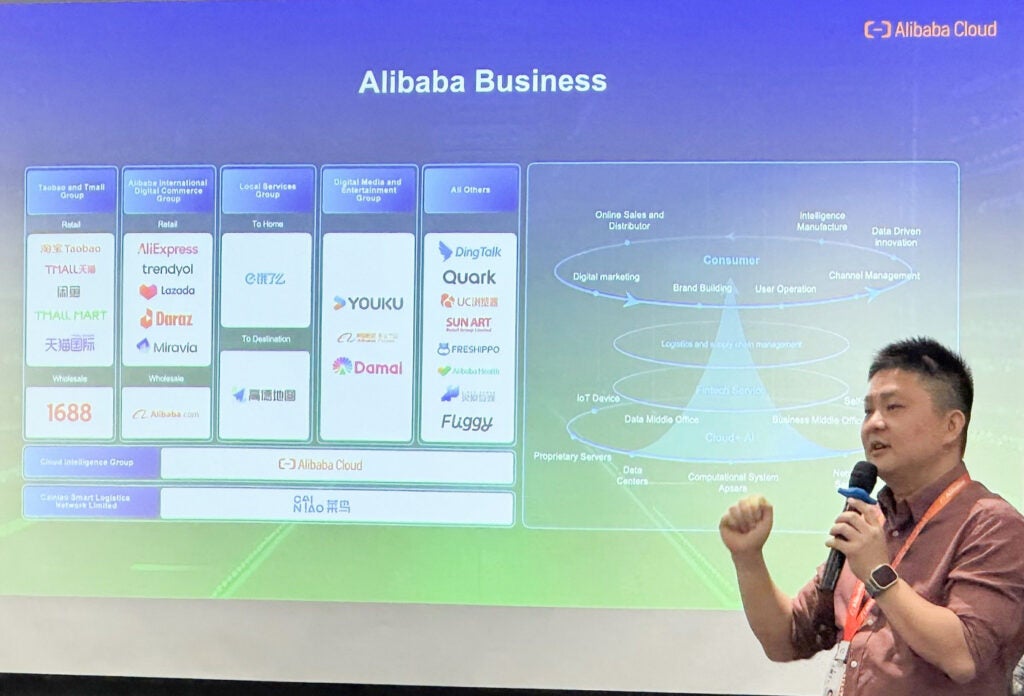
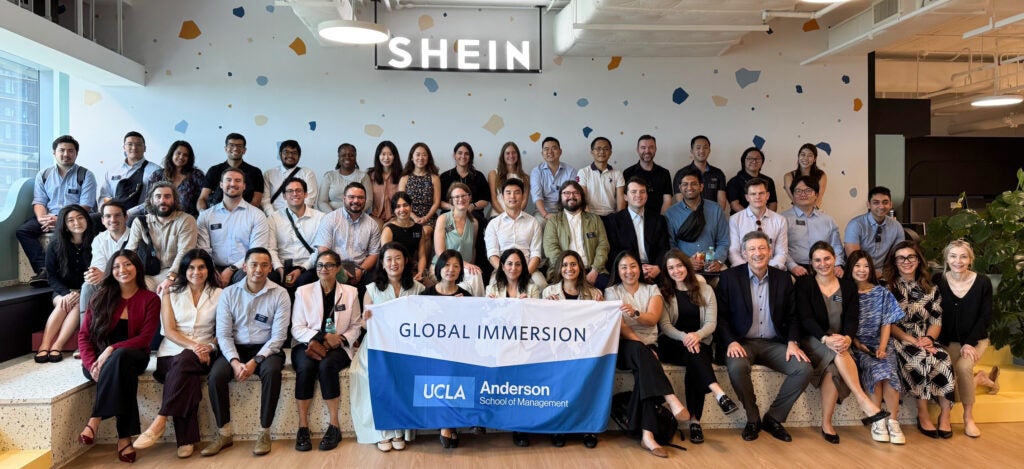
Additional site visits to Alibaba Cloud and SHEIN further reinforced the emergence of new business models enabled by AI. The Alibaba Cloud session provided broader context on Alibaba Group’s evolving business model, and the central role Alibaba Cloud plays within it. Speakers highlighted how cloud infrastructure is increasingly enabling AI to be delivered as a service, lowering barriers to adoption and allowing organizations of all sizes to access advanced capabilities without significant upfront investment. The discussion also explored Alibaba Cloud’s latest developments in AI, including model deployment, and enterprise applications, as well as the company’s efforts to foster a vibrant innovation ecosystem by connecting startups, enterprises, and partners across markets. At SHEIN, students examined how data analytics, real-time trend detection, and ultra-agile supply chains are redefining global retail, demonstrating how AI can drive entirely new approaches to product design, inventory management, and consumer engagement.
Fintech and platform innovation were explored through sessions with Tongdun Technology, Grab, and FOMO Pay, each illustrating how AI-driven decision intelligence, agentic payments, and platform-based ecosystems are reshaping financial services across emerging markets. These discussions emphasized that AI’s value extends far beyond cost reduction, enabling deeper customer insights, enhanced trust, and new revenue models across complex, multi-sided platforms.
An evening alumni event hosted by the CGM in Singapore brought together UCLA Anderson graduates, highlighted by a fireside discussion with Google’s Asif Saleem focused on agentic AI, competitive strategy, and leadership in the emerging Agent Economy. Saleem’s expertise in artificial intelligence, along with his insights into key use cases and strategic imperatives, proved invaluable and helped participants navigate the rapidly evolving AI landscape with greater confidence and curiosity. The event also reinforced the strength of the Anderson global network and offered students candid perspectives on leadership challenges at the frontier of technology‑driven business transformation.
Across both Shenzhen and Singapore, several unifying themes emerged. There was a consistently open and proactive embrace of AI – particularly agentic AI – with organizations deploying autonomous systems not as pilots, but as core engines of value creation. The region’s capacity for leapfrog innovation was evident in everything from mobile payments and drone deliveries to AI-native content creation. Students observed multiple examples of disruptors disrupting disruptors, underscoring that technological leadership is highly transient and that continuous reinvention is essential. Perhaps most importantly, the immersion highlighted a fundamental shift from organizations being cloud-native to becoming AI-native, signaling a structural transformation in how enterprises are built, scaled, and led.
As UCLA Anderson prepares students for leadership in an increasingly agent-driven economy, the 2026 Global Immersion reinforced the urgency of moving beyond theoretical understanding toward hands-on application. The speed at which AI capabilities have evolved – particularly over the past year – was striking and served as a powerful reminder that experiential, technology-focused learning is no longer optional. By engaging directly with founders, executives, investors, policymakers, and alumni across two of the world’s most dynamic innovation ecosystems, students left the immersion week with a deeper appreciation of contextual leadership and a clearer understanding of what it takes to lead amid rapid global technological transformation.
CGM sidebar
- Students Explore Profit, Purpose and Policy Through Sustainable Business, Climate Action and Corporate Strategy in Belgium and the Netherlands
- New Courses Continue to Expand Global Management Curriculum
- When a Capstone Becomes a Calling: Ankit Choudhary’s Journey from UCLA Anderson to Project Mercy
- Creating Global Impact in Rwanda and Ethiopia: UCLA Anderson’s Global Social Impact Consulting East Africa Capstone
- Developing a Business-to-Government Growth Strategy for a UK-Based Tandem App/Platform
- How Political Connections Distort Human Capital Investment and the Allocation of Talent Within Firms and Public Organizations
- Global Management Specialization Graduate Mick Morris (’26)
- Global Management Specialization Graduate: Marisa Lue (’26)
- Global Management Specialization Graduate: Aneesha Kumar (’26)
- CGM Welcomes International Exchange Students to UCLA Anderson for a Week of Global Learning and Networking
- Technology-Based Transformation of Greater Asia in the Age of Agentic AI
- Congratulating the Class of 2026 Outstanding Students in Global Management and Leadership
- Building Community with Globally Minded UCLA Anderson Alumni
- Students Travel to Paris and Bordeaux to Explore France’s Diversified Economy, Global Brands and Role in the European Union
Follow Us


