

Creating Global Impact in Rwanda and Ethiopia: UCLA Anderson’s Global Social Impact Consulting East Africa Capstone
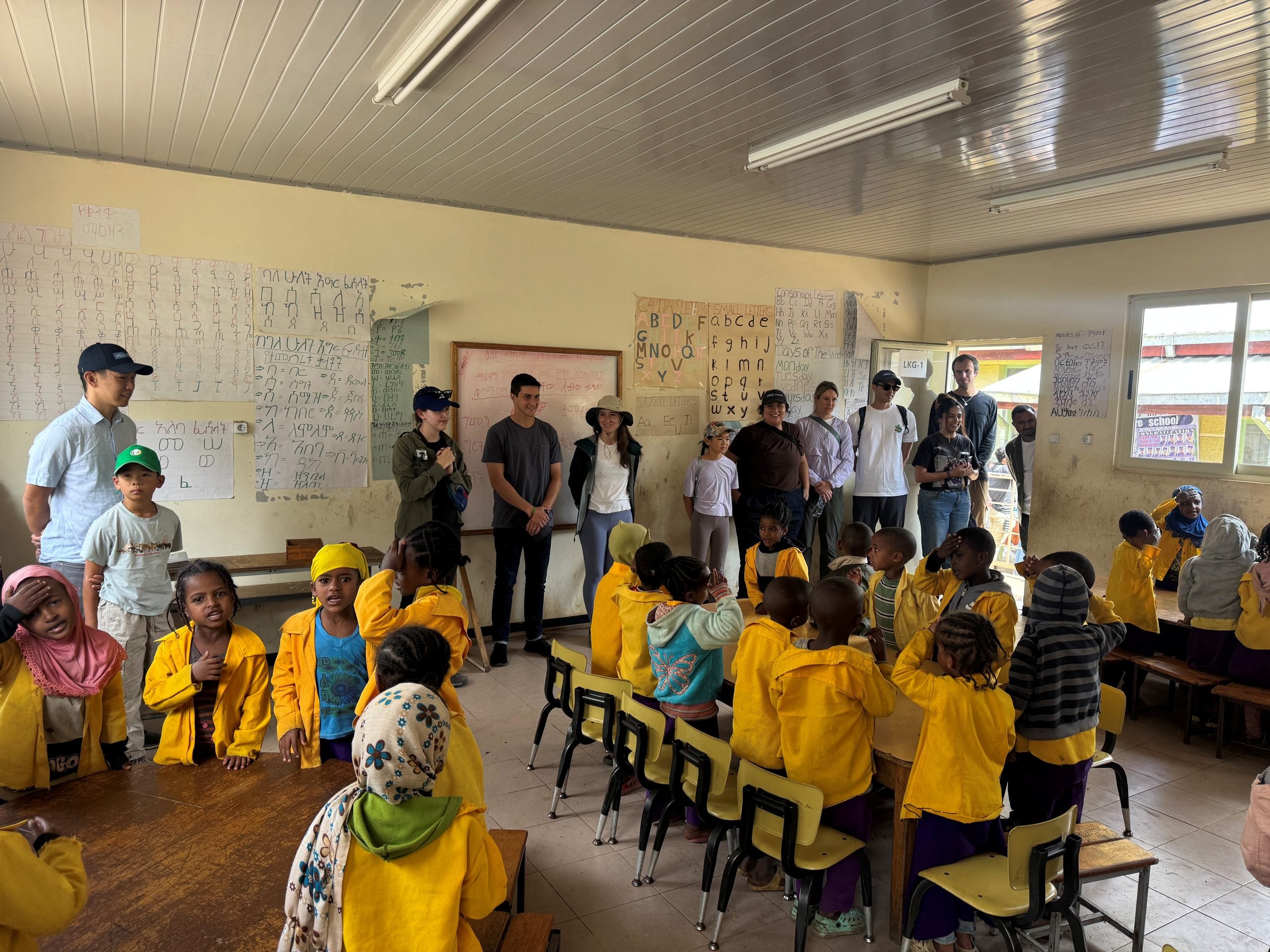
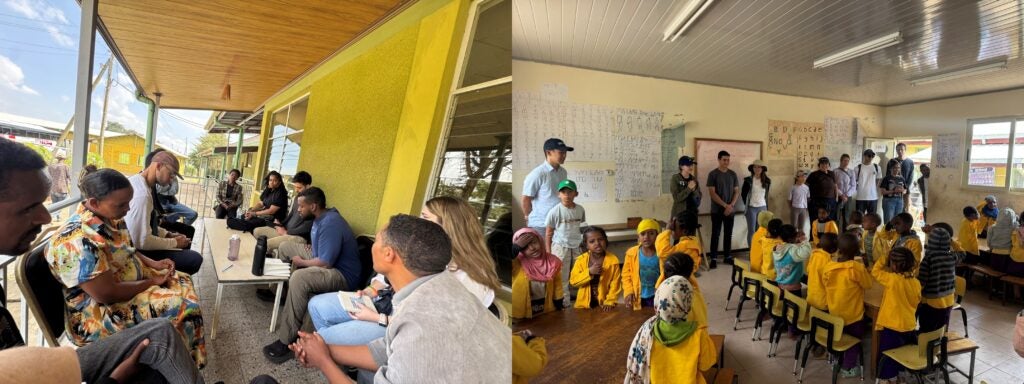
Capstone projects continue to evolve at UCLA Anderson as part of the school’s strategic vision. In 2025–26, FTMBA students could choose from five faculty-designed capstone options for their culminating academic experience, with a sixth option expected to launch in 2026–27. Each capstone seminar enrolls up to 25 students and is led by a faculty expert who designs the capstone project based on their own areas of research and expertise. Among these offerings is the Global Social Impact Consulting (GSIC) capstone, which reflects UCLA Anderson’s commitment to preparing leaders who create meaningful impact around the world.
Introduced in 2023–24, the GSIC capstone is taught by Gayle Northrop (’96), adjunct professor of social entrepreneurship and senior faculty advisor for Anderson’s Center for Impact. Northrop also teaches the CGM’s global immersion course in South Africa focused on social entrepreneurship and innovation. The GSIC capstone exposes students to the challenges, opportunities and inspiration associated with creating positive social impact in a global setting. Working with nongovernmental organizations (NGOs) in East Africa, students build consulting skills through real-time client engagements while gaining a deeper appreciation of the region’s culture, context and development landscape.
The curriculum combines principles of consulting, social impact and international development, requiring students to apply knowledge gained through core MBA coursework in strategy, marketing and leadership. Students also draw on insights from electives in areas such as social entrepreneurship, leadership, diversity, equity and inclusion, and sustainability. Throughout the capstone, students put into practice the full range of skills developed during their MBA experience, including research, data analysis, effective communication, synthesis of complex information and the creation of professional client-facing deliverables. These experiences prepare students for diverse career paths, including consulting, international business, project management, social entrepreneurship and other roles that require strategic thinking, collaboration, cultural awareness, contextual understanding and resilience.
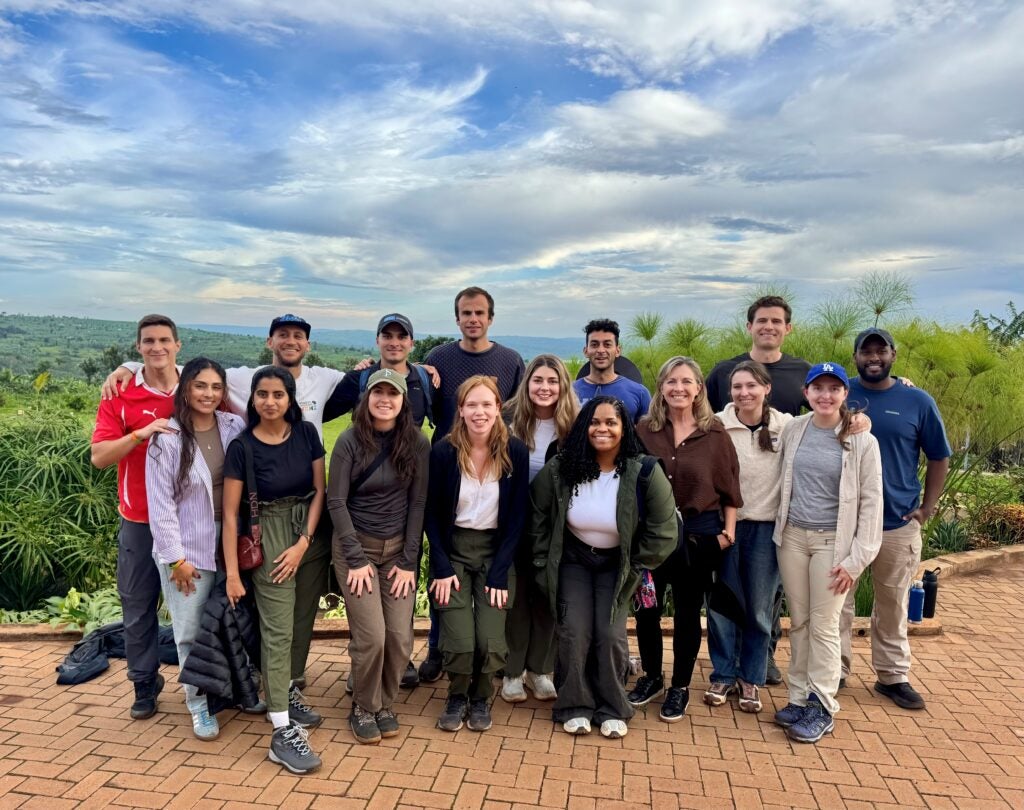
In the third year of the GSIC capstone, UCLA Anderson continued its partnership with two East African NGOs that share a commitment to localization, community-led development and redefining how impact organizations are valued and funded. The 20 students enrolled in the course were divided into four consulting teams, each assigned a distinct project scope while collectively working toward expanding opportunities and impact for integrated, holistic, community-led organizations in East Africa.
The projects supported the same client organizations as the previous year: Agahozo Shalom Youth Village (ASYV) in Rwanda and Project Mercy in Ethiopia. ASYV empowers orphaned and vulnerable youth to lead lives of dignity and contribute to a better world, while Project Mercy is dedicated to reducing poverty in rural Ethiopia through initiatives in education, healthcare, nutrition, infrastructure and economic empowerment.
In December 2025, Professor Northrop accompanied the 20 FTMBA students to Rwanda and Ethiopia, where they conducted field research and met directly with their client organizations near Kigali and in Yetebon, respectively. The CGM supported the travel and logistics components of the experience, enabling students to deepen their understanding of local contexts and strengthen their client relationships.
During the field visit, students worked alongside organizational leaders and community stakeholders to conduct primary research for their projects.
At ASYV, students focused on two strategic initiatives. One team developed business and marketing recommendations aimed at helping five of its enrichment programs become financially self-sustaining. The team also created a blueprint that ASYV staff can use to develop future income-generating opportunities across additional programs, vital to ASYV’s long-term financial sustainability. A second team focused on ASYV’s farm product line, designing a plan to improve its long-term sustainability by increasing earned revenue, despite rising food costs, in ways that didn’t compromise the organization’s commitment to the physical and mental well-being of the youth they serve. The goal was to strengthen nutritional support for students while creating a sustainable source of earned income. Both initiatives will result in reduced reliance on external philanthropy and support the ASYV’s ability to serve future generations of youth.
At Project Mercy, students worked on two complementary projects. One team developed an Integrated Holistic Community-Led Development (IHCD) guide to serve as a practical roadmap for organizations seeking to adopt a similar approach. The guide also aims to strengthen the credibility and visibility of the Project Mercy and the IHCD model it champions as a benchmark for rural and underserved community-led development. The second team developed a five-year financial sustainability strategy to help transition Project Mercy toward a more resilient, diversified funding model, ensuring its long-term viability and impact. While the existing cost efficiencies of Project Mercy’s model made it challenging to identify opportunities to reduce expenses, the team was able to confirm and create a business plan with verifiable financial projections demonstrating that Project Mercy’s coffee business could evolve into a major earned-income opportunity for both the organization and the local community-based entrepreneurs it serves.
As the GSIC capstone has matured, several key lessons from the first two years informed the 2025–26 experience. These include the benefits of working with multiple organizations across different countries, the critical role of active client engagement and the value of client commitment to the students’ learning process. The capstone has also reinforced the importance of thorough pre-travel research and contextual preparation, as well as the roles that deep listening, curiosity and humility play in creating meaningful and sustainable value for client organizations.
Looking ahead, four new teams of FTMBA students have been selected for the 2026–27 GSIC capstone. Building on the successes of the previous three years, the course will continue its partnerships with ASYV and Project Mercy while further refining the capstone model. Students will once again travel to Kigali, Rwanda, and Yetebon, Ethiopia, and will tackle a new set of interconnected yet distinct consulting projects developed in collaboration with the client organizations. As students prepare for client engagements and early morning meetings during the fall quarter, they look forward to contributing to the fourth iteration of the capstone and advancing impactful, sustainable solutions for communities in East Africa. The CGM looks forward to continuing its support of the GSIC capstone as the program builds on its success and creates lasting value for both students and partner organizations in East Africa.
When a Capstone Becomes a Calling: Ankit Choudhary’s Journey from UCLA Anderson to Project Mercy: Read the story of Ankit’s Journey
CGM sidebar
- Students Explore Profit, Purpose and Policy Through Sustainable Business, Climate Action and Corporate Strategy in Belgium and the Netherlands
- New Courses Continue to Expand Global Management Curriculum
- When a Capstone Becomes a Calling: Ankit Choudhary’s Journey from UCLA Anderson to Project Mercy
- Developing a Business-to-Government Growth Strategy for a UK-Based Tandem App/Platform
- How Political Connections Distort Human Capital Investment and the Allocation of Talent Within Firms and Public Organizations
- Global Management Specialization Graduate Mick Morris (’26)
- Global Management Specialization Graduate: Marisa Lue (’26)
- Global Management Specialization Graduate: Aneesha Kumar (’26)
- CGM Welcomes International Exchange Students to UCLA Anderson for a Week of Global Learning and Networking
- Technology-Based Transformation of Greater Asia in the Age of Agentic AI
- Congratulating the Class of 2026 Outstanding Students in Global Management and Leadership
- Building Community with Globally Minded UCLA Anderson Alumni
- Students Explore Technology, AI and Innovation in Shenzhen and Singapore
- Students Travel to Paris and Bordeaux to Explore France’s Diversified Economy, Global Brands and Role in the European Union
Follow Us


