


First Year Perspectives: Navigating MBA Recruiting at UCLA Anderson
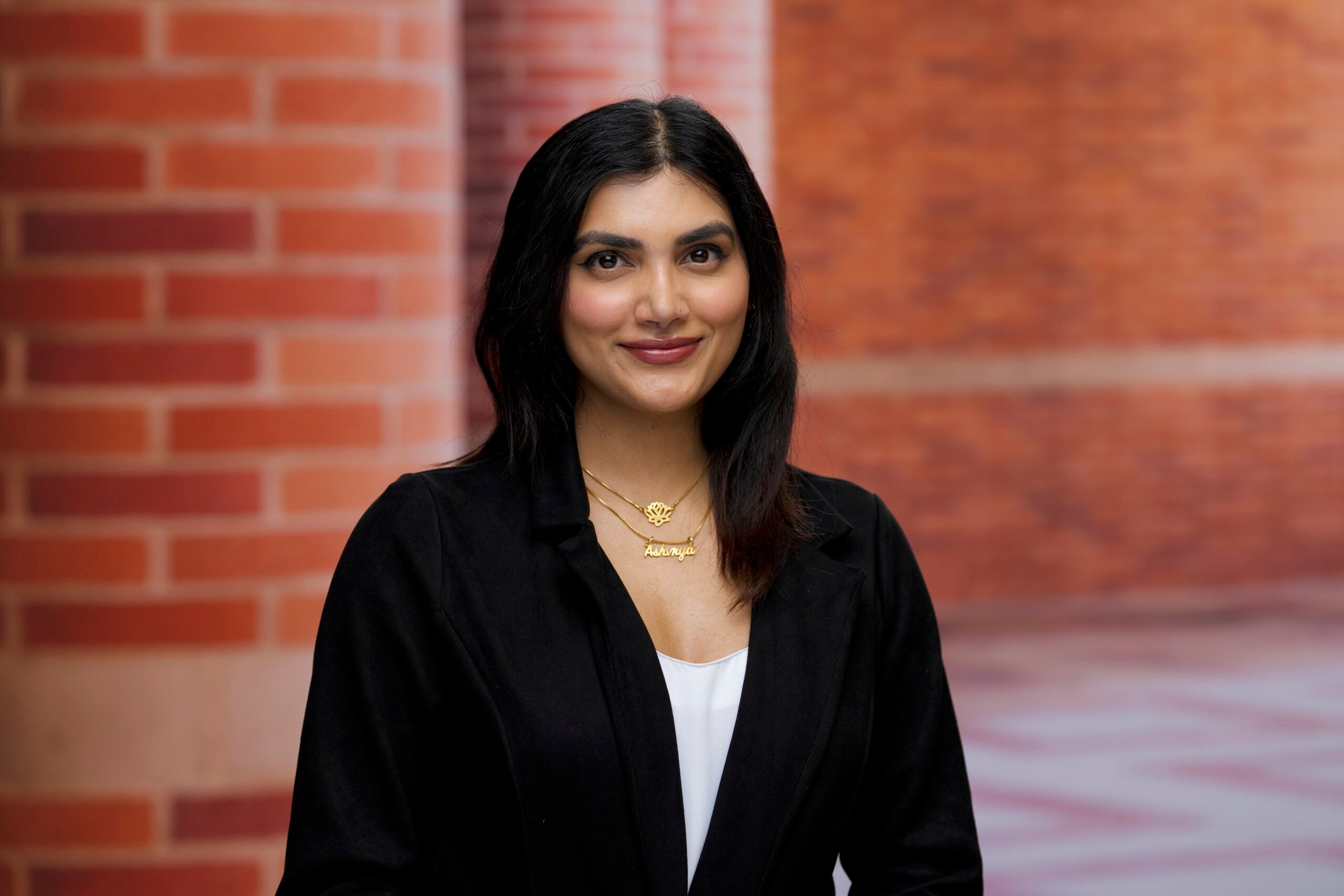
About Ashvrya: Ashvrya grew up in Sacramento, California, and earned her bachelor’s degree in Public Health with a minor in Biology from San José State University. She began her career on the pre-med track and gained experience in healthcare settings, which sparked her interest in how systems and operations impact outcomes. She later transitioned into an Operations Analyst role at Dentsu, where she supported cross-functional workflows and developed a passion for improving processes at scale. At Anderson, Ashvrya is focused on strengthening her business skill set and exploring opportunities at the intersection of healthcare, operations, and technology.
Starting an MBA can feel overwhelming, especially when recruiting begins almost immediately. Coming from my background as an Operations Analyst in the marketing and advertising space, I didn’t have a direct pipeline into the industries I was exploring and wasn’t exactly sure what to expect from the recruiting process. One thing that stood out to me early on at UCLA Anderson is how many built-in resources exist to support students through that transition. While recruiting can feel fast-paced, you’re not expected to navigate it on your own.
A big part of that support comes from Anderson’s culture of shared success. Beyond formal resources, the students themselves are a huge part of the support system. Second-year students are always willing to help, whether it’s through mock interviews, resume feedback, or simply sharing their experiences. It creates an environment where you’re constantly learning from the people around you.
Another key resource is ACT (Anderson Career Teams), which are organized by industry. I had the opportunity to be part of both Tech ACT and Healthcare ACT while exploring different career paths. Each ACT is tailored to its industry, with coaches who break down recruiting timelines, expectations, and strategies in a clear and practical way. It also gave me the chance to connect with other students going through the same process, which made recruiting feel more collaborative.
I was also part of an IPT (Interview Prep Team) focused on tech operations. IPTs are smaller, more personalized groups, and this one was especially helpful in preparing for operations-focused interviews. We worked through different types of questions, including how to approach operational problem-solving and role-specific scenarios. Since tech is such a broad space with many different functions, having that more targeted preparation made a big difference.
Professional clubs are another major part of the support system at Anderson. There are a wide range of clubs depending on your interests, and I was actively involved in AnderTech. One thing that stood out to me about AnderTech is how collaborative and resource-driven it is. There are interview banks and question banks with real examples from past interviews across different companies, which made it much easier to prepare in a focused way. The club also connects you with second-year students who have interviewed at the same companies you’re targeting, which was incredibly helpful in understanding what to expect.
The Parker Career Center further supports students through both professional career advisors and student advisors who have recently completed recruiting themselves. Having access to both perspectives made the guidance feel structured and very practical. In addition, Parker offers workshops on resumes, interviewing, and navigating the recruiting process, helping provide structure during the early stages.
Beyond all of this, informal networking like coffee chats is another important part of the experience. Whether it’s connecting with second-years, alumni, or professionals, these conversations help you gain insight into different roles and industries while also building relationships. Going through recruiting alongside my classmates also made a huge difference; practicing interviews and supporting each other along the way made the process feel much more collaborative and less overwhelming.
Overall, while recruiting can feel overwhelming at first, I’ve realized that you’re never really going through it alone. UCLA Anderson provides a strong, collaborative, and structured support system that helps you navigate each step with more clarity and confidence.
Student Blogger: Ashvrya Sharma ’27
Undergrad: San José State University ’20
Pre-MBA: Operations Analyst at Dentsu
Leadership@Anderson: Director of Board Operations & Experience; Technology Business Association, Director of Operations; Health Business Association, Director of Special Yields & Projects; Admission Ambassador Corp
mba insider single
- First Year Perspectives: Surviving the “Wilderness” With My Learning Team
- Out@Anderson Hosts 2026 Awareness Week Celebrating LGBTQ+ Community and Storytelling
- Reviving a Tradition During Black History Month: The BBSA Legacy Conference at UCLA Anderson
- First Year Perspectives: Both/And – Entertainment and Consulting at Anderson
- First Year Perspectives: What Makes Anderson’s Curriculum Unique For Future Business Leaders
- First Year Perspectives: What Recruiting at Anderson Taught Me
- First Year Perspectives: From Greenlights to Grades – Translating a Creative Career into a MBA
- First Year Perspectives: The Hidden Strength International Applicants Have and Don’t Realize
- First Year Perspectives: From the Workplace to the Classroom, Relearning How to Learn
- First Year Perspectives: Why Anderson’s Culture Matters
- First Year Perspectives: Breaking Records and Building Community at 11,000 feet
- First Year Perspectives: How Being a Double Bruin Impacted My Personal and Professional Journey
- First Year Perspectives: Diving Into Entertainment at Anderson
- First Year Perspectives: From NYC to LA, Building Home and Belonging at Anderson
- First Year Perspectives: My Journey as an International Student Arriving at UCLA Anderson
- First Year Perspectives: Reflecting on Round 2 – Tips for First Time Applicants
- Day in the Life: Healthcare Consultant at Boston Consulting Group (BCG)
- Day in the Life: Product Manager (Non-Tech) at Amazon
- Day in the Life: MBA GBT Marketing Intern at Mattel
- First Year Perspectives: Dissecting Healthcare Opportunities at UCLA Anderson
- First Year Perspectives: The Power of Learning Teams and Diverse Perspectives
- First Year Perspectives: What “Share Success” Really Means at Anderson
- First Year Perspectives: The Product Manager Pivot at UCLA Anderson
- First Year Perspectives: How to Understand Anderson Best – Talking to Current Students
Follow Us


