


First Year Perspectives: From Greenlights to Grades – Translating a Creative Career into a MBA
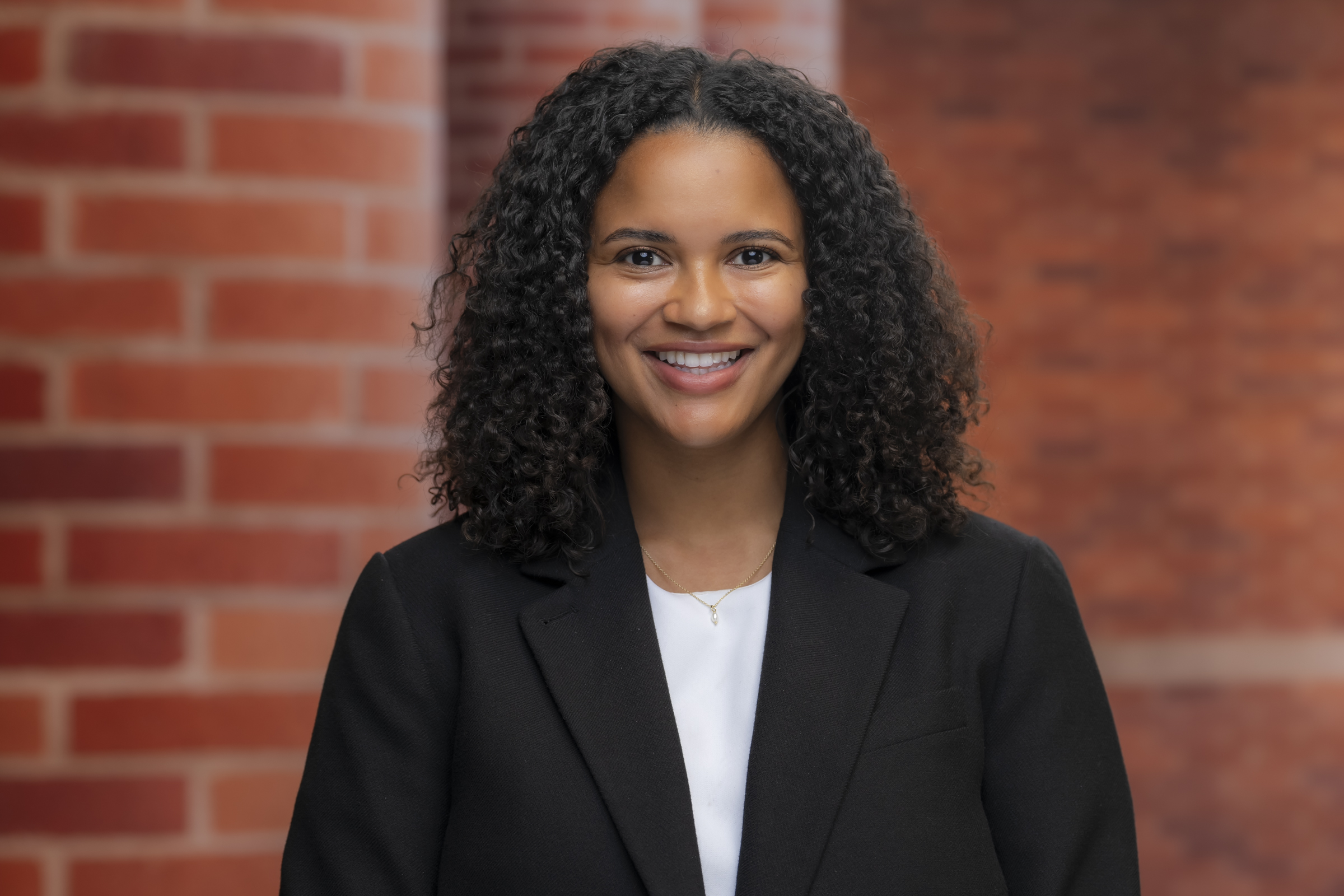
About Mallory: Mallory grew up in Nashville, Tennessee, and moved to Los Angeles for college, where she earned a B.A. in International Relations and Media Arts and Culture. She began her career at the United Nations, partnering with global stakeholders and governments, before making an organic transition into the entertainment industry. Prior to business school, she worked in corporate communications at The Walt Disney Company and later at Hulu as a creative executive, developing, producing, and launching series. At UCLA Anderson, she is deepening her financial, analytical, and operational toolkit to pursue leadership roles at the intersection of media, technology, and innovation.
An MBA was never part of my original plan. Before business school, I spent my days as a creative executive: hearing pitches, reading scripts, and working alongside incredibly talented writers, producers, and creators to help bring their ideas to life on screen. I loved the creative energy of the work and the fast-paced decision-making that came with it.
During the writers’ and directors’ strike of 2023, I began thinking more seriously about what the future of the entertainment industry might look like. Conversations around emerging technology – especially AI – were everywhere. The topic both intrigued and unsettled me. I found myself wanting to better understand how new technologies would shape creative work, how decisions about adoption would be made, and who would be at the table when those strategies were set.
Around that time, I connected with a friend attending UCLA Anderson who encouraged me to explore resources like MLT and the Consortium – both of which became incredibly impactful parts of my MBA journey. As I learned more about the program, I began to see how an MBA could position me closer to strategic decision-making in a rapidly evolving industry where creativity, technology, and business are increasingly intertwined. Anderson stood out not only because it’s based in Los Angeles and at the intersection of entertainment, technology, and startups, but because it felt like a place where I could truly bridge my interests rather than choose between them.
While applying to business school, I often wondered whether I would truly fit in. I had a perception of the “traditional” MBA candidate and with a liberal arts education and career rooted in storytelling, I worried that my background might feel out of place. However, two quarter into the program, I can confidently say that those concerns quickly faded. I’ve met classmates from an incredible range of industries, geographies, and career paths – all coming to the MBA with different goals and perspectives. What I had assumed was an unusual background turned out to be just one of many ways to arrive here.
The transition still came with challenges. Moving from greenlight meetings to classrooms filled with cases, cold calls, and group projects required a mental shift. An intensive summer quarter, particularly accounting, pushed me in ways I hadn’t experienced before. There were moments of uncertainty and imposter syndrome. Yet, as I adapted to structured frameworks, quantitative rigor, and fast-paced discussions, I began to notice how my creative skill set translated more than expected. Asking the right questions, navigating ambiguity, sharing diverse perspectives, and telling a clear story are just as valuable in a case discussion as they are in a creative meeting.
Anderson’s collaborative learning environment played a huge role in making this transition possible. Much of our coursework is done in groups, and my Learning Team is made up of five individuals from different countries, industries, and skill sets. We lean on one another – whether that means tackling complex financial concepts, writing a strategy memo, or keeping projects organized and on track. That balance of support and shared accountability has made even the most challenging classes feel manageable.
Beyond the classroom, Anderson has also given me the space to step up in ways I didn’t anticipate. For example, a few weeks into the program, I ran for President of my section, a role that has been deeply fulfilling. It’s allowed me to engage directly with Deans, advocate for student needs, support my classmates, and help foster a stronger sense of community within our section.
If I could go back to the moment when I first wondered what a creative could possibly gain from an MBA, I would reassure myself that there’s no such thing as a non-traditional background. Every past experience shapes how you show up in the classroom and that diversity of thought strengthens discussions, group work, and learning outcomes. The quantitative and analytical skills than an MBA challenges you to build, enhances your past. For me, they’ve increased my confidence, expanded how I think about decision-making, and reinforced that creativity and strategy are powerful skills that can work together.
Student Blogger: Mallory Leeper ‘27
Undergrad: Occidental College ’17
Pre-MBA: Creative Executive at Hulu & The Walt Disney Company
Leadership@Anderson: Section C President; Entrepreneurship Leadership Development Program; Director of Alumni & Corporate Relations, Entertainment Management Association; Director of Prospective Student Affairs, Admissions Ambassador Corps; Riordan MBA Fellow Mentor
mba insider single
- First Year Perspectives: Shared Success Across Borders – The 2026 Japan Trek
- First Year Perspectives: Transitioning Into Impact Investing – A Hands-On Journey Through Anderson Venture Impact Partners
- First Year Perspectives: Countdown to Campus – What I Wish I Knew 2 Months Before Starting My MBA
- First Year Perspectives: Staying Connected to Anderson – Insights for Waitlisted Applicants
- First Year Perspectives: Making the Pivot – What Anderson’s Resources Taught Me
- First Year Perspectives: Spring Break in Korea
- First Year Perspectives: Admitted Students Weekend – Making the Most of A-Days
- First Year Perspectives: Navigating MBA Recruiting at UCLA Anderson
- First Year Perspectives: Surviving the “Wilderness” With My Learning Team
- Out@Anderson Hosts 2026 Awareness Week Celebrating LGBTQ+ Community and Storytelling
- Reviving a Tradition During Black History Month: The BBSA Legacy Conference at UCLA Anderson
- First Year Perspectives: Both/And – Entertainment and Consulting at Anderson
- First Year Perspectives: What Makes Anderson’s Curriculum Unique For Future Business Leaders
- First Year Perspectives: What Recruiting at Anderson Taught Me
- First Year Perspectives: The Hidden Strength International Applicants Have and Don’t Realize
- First Year Perspectives: From the Workplace to the Classroom, Relearning How to Learn
- First Year Perspectives: Why Anderson’s Culture Matters
- First Year Perspectives: Breaking Records and Building Community at 11,000 feet
- First Year Perspectives: How Being a Double Bruin Impacted My Personal and Professional Journey
- First Year Perspectives: Diving Into Entertainment at Anderson
- First Year Perspectives: From NYC to LA, Building Home and Belonging at Anderson
- First Year Perspectives: My Journey as an International Student Arriving at UCLA Anderson
- First Year Perspectives: Reflecting on Round 2 – Tips for First Time Applicants
- Day in the Life: Healthcare Consultant at Boston Consulting Group (BCG)
Follow Us


